

Best neighborhoods in Barcelona for language students
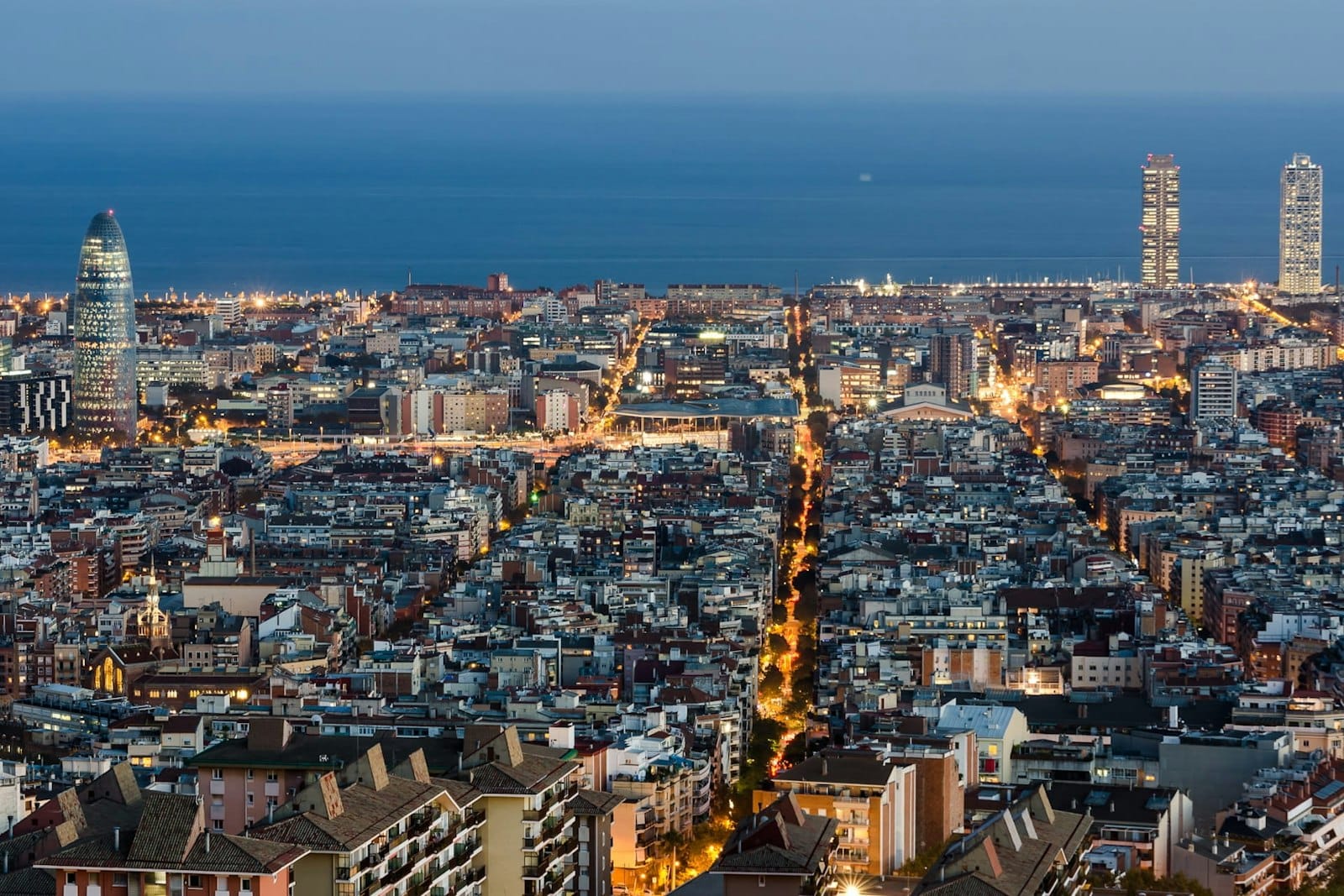
Just like any other city, Barcelona is home to a diverse selection of neighborhoods - each with their own unique characteristics.
If you’re a student moving to Barcelona, choosing a suitable neighborhood is one of the most important decisions you’ll make. Living in an area that connects to your personality and the things you like, will elevate your stay. You’ll end up feeling at home, not a stranger in unfamiliar surroundings.
Despite this, it’s often the case that students arrive in a rush and end up somewhere random that they don’t like, spoiling the experience a bit. The key thing is to research the different areas before arriving. Today, we’re here to help, with our recommendations for the top neighborhoods for students in Barcelona - including a few pointers on the kinds of people that these quarters suit best, and least.
Read on to learn more…
1. El Born
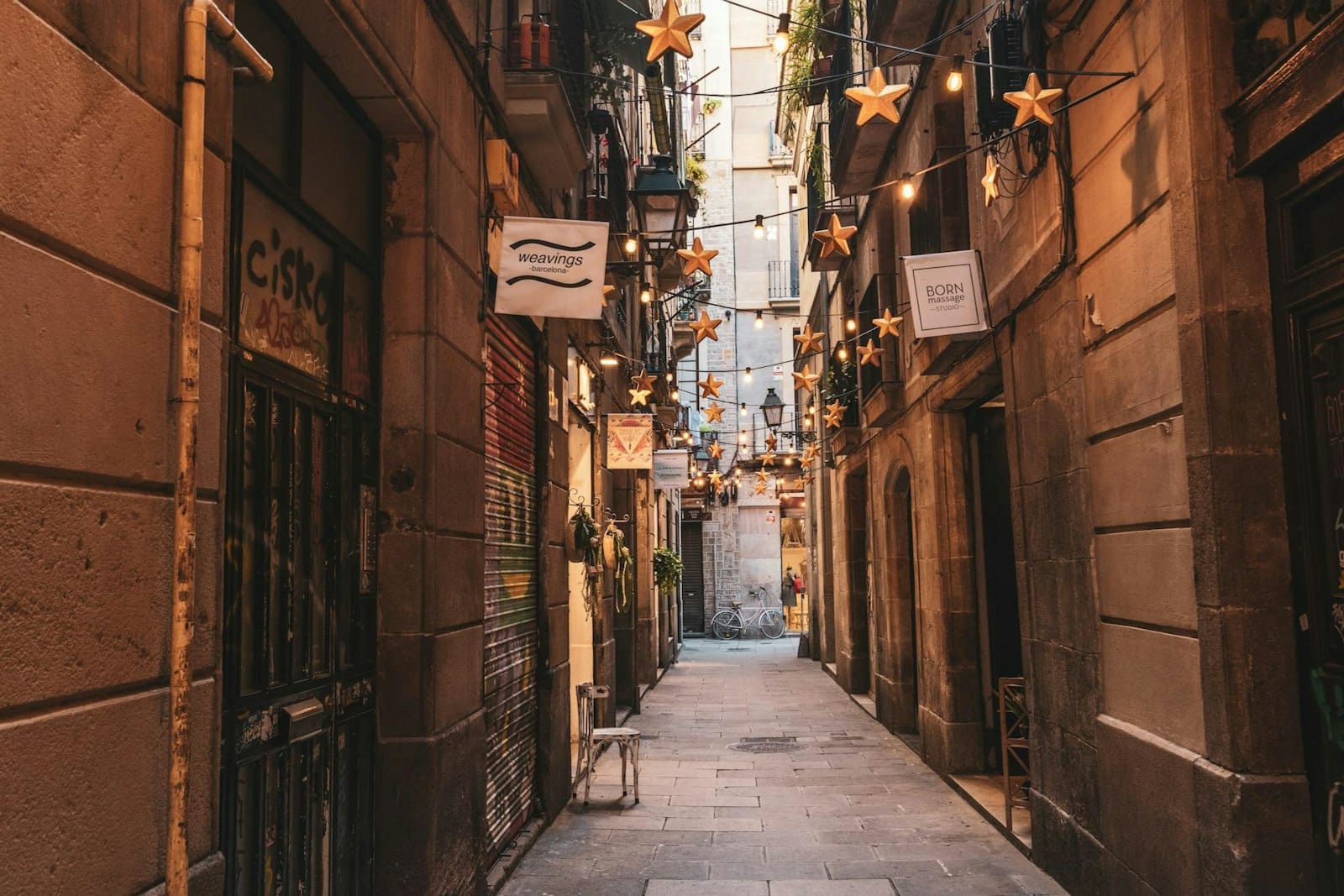
First stop is one of Barcelona’s most picturesque neighborhoods, El Born, which is criss-crossed by leafy pedestrian streets and pretty squares. It’s one of the neighborhoods that forms Barcelona’s central old town (alongside El Gotic and El Raval) but it’s a little quieter and more liveable than its two neighbours. Some of Barcelona’s most magical little lanes are found here.
Recently, El Born has been undergoing somewhat of a renaissance with more great places opening up that are designed for locals rather than tourists. There are heaps of great places to eat, drink and play. That said, it is still one of the more touristy parts of the city, so bear that in mind when selecting. Our tip is to stick to the north part of the neighborhood, to the north of the Santa Carina market, where there are far fewer crowds and less noise.
- Choose if: you like picturesque, leafy streets
- Don’t choose if: you’re sensitive to tourism
2. El Clot
Moving away from the bustling center, El Clot offers a rare slice of authentic, everyday Barcelona life. Historically a working-class area, it retains a strong community feel with its local markets and traditional, family-run bakeries. It’s perfect for students who want to immerse themselves in local Catalan culture rather than getting stuck in an expat bubble.
The neighborhood boasts excellent transport links, making it easy to get to the universities or the city center via train or metro. Plus, rent tends to be a bit more affordable here. While it doesn't have the wild nightlife of the old town, it features peaceful green spaces like Parc del Clot and the new Gran Clariana for lazy afternoon study sessions.
- Choose if: you want an authentic local vibe and more affordable rent
- Don’t choose if: you need a thriving, late-night party scene right on your doorstep
3. Gracia
Once an independent village before Barcelona swallowed it up, Gracia has managed to maintain its proud, distinct, and slightly bohemian personality. Its narrow, pedestrianized streets open up into a multitude of lively, sun-drenched plazas where locals gather to chat, sip vermouth, and play acoustic guitars late into the evening.
It’s a magnet for young creatives, artists, and students, packed with quirky vintage shops, indie cinemas, and cafes. There’s plenty of nightlife but it leans more towards cozy bars and terraces rather than mega-clubs. All considered, this is one of the neighborhoods that has it all and does everything well but keep in mind that because of its popularity and unique charm, flat hunting here can be competitive and still expensive.
- Choose if: you love a bohemian, village-like atmosphere with vibrant plazas
- Don’t choose if: you prefer modern, spacious avenues and big apartment blocks
4. Eixample
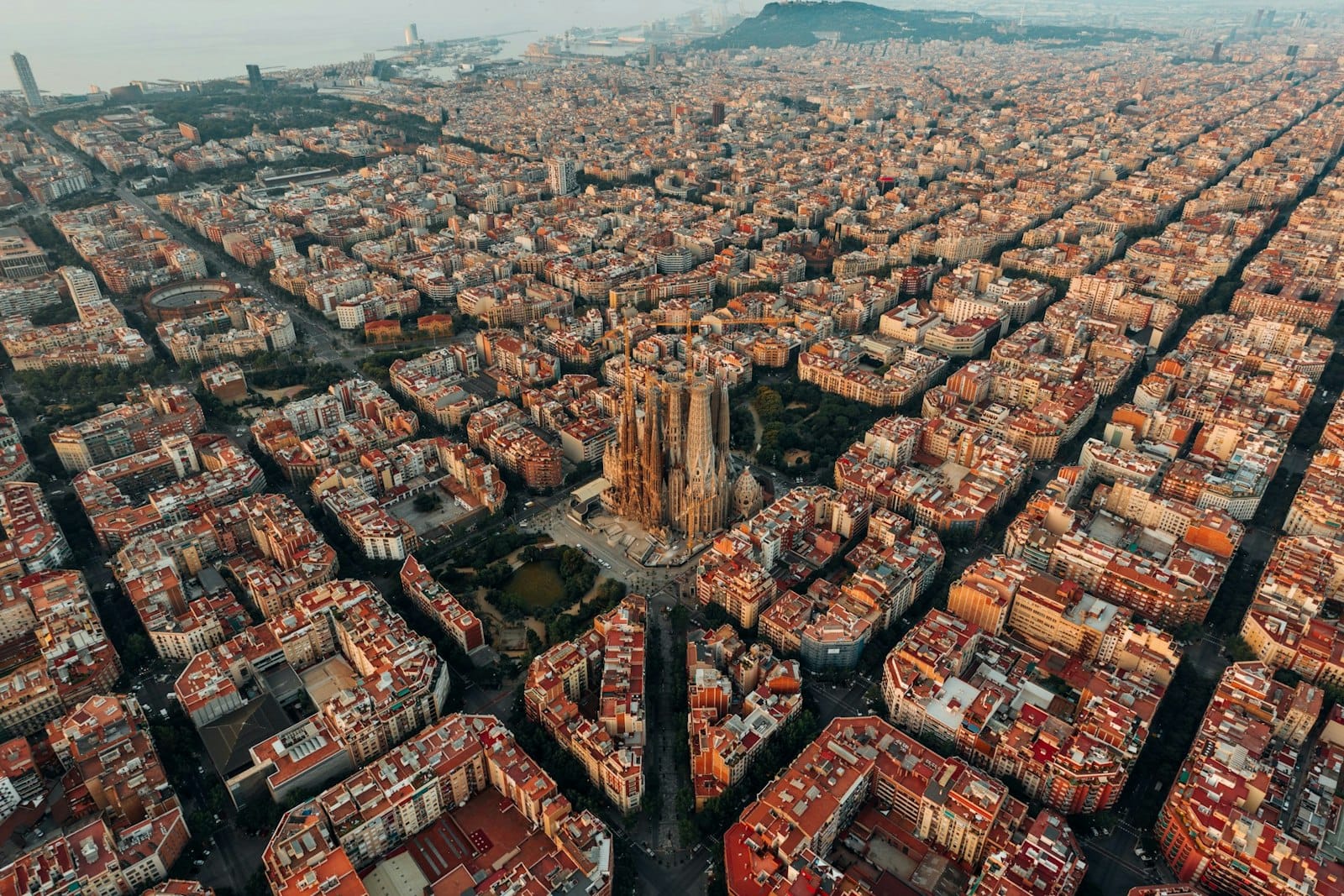
Instantly recognizable from above by its iconic octagonal grid layout, El Eixample is the elegant, spacious heart of Barcelona. It’s split into the left (Esquerra) and right (Dreta) sides, both characterized by wide, tree-lined avenues, plenty of natural light and elegant Modernista architecture - including Gaudí masterpieces like the Sagrada Familia which reached its final height earlier this year after over 140 years of construction!
This area is pretty sought after by international students because it feels safe, orderly, and perfectly central. You’ll find an endless array of trendy cafes, excellent public transport, and reliable bike lanes. The area, while traditionally full of busy roads, is also home to increasing pedestrianization, including one of Barcelona’s best new avenues - Consell de Cent.
However, the grandeur comes at a cost, as it’s generally one of the pricier neighborhoods, and the wide streets can feel a bit less intimate than the old town.
- Choose if: you value central convenience, safe streets, and world-class architecture
- Don’t choose if: you are on a tight budget or want a quaint, small-town feel
5. Poble Nou
Once the industrial heartland of the city, Poble Nou has transformed into Barcelona’s tech and innovation district, widely known as 22@. Old textile factories have been tastefully converted into sleek co-working spaces, design schools, and modern lofts, giving the whole area a Brooklyn-esque, industrial-chic vibe. It’s one of Barcelona’s most distinctive neighborhoods.
The biggest draw for many students, however, is its proximity to the sea - you are just a short stroll away from the beach. The central artery, Rambla del Poblenou, remains a traditional, bustling street filled with tapas bars and ice cream parlors. It's spacious and less chaotic than the center, though it can feel a bit quiet and empty at night in the more strictly corporate zones.
- Choose if: you want to be close to the beach and love an industrial-modern vibe
- Don’t choose if: you want to be right in the middle of the city's historic center
6. Sants
Tucked away behind Spain’s main railway hub, Sants is a stubbornly authentic residential neighborhood that flies under the radar of most tourists. It boasts a fiercely proud local community and is famous for its vibrant annual festival (Festa Major de Sants), which easily rivals Gracia’s in creativity and neighborhood spirit.
Because it houses Sants Estació, it is one of the best-connected neighborhood in the city, ideal if you plan on taking weekend train trips around Spain. The main commercial street, Carrer de Sants, is one of the longest shopping streets in Europe, and the area is dotted with fantastic, unpretentious tapas bars, alongside innovative new spots. Visually it might lack the historic romance of the old town but it does have its fair share of historic charm, too.
- Choose if: you value brilliant transport links and a strong local community
- Don’t choose if: you are looking for postcard-perfect historic streets
Remember: finding a flat is not easy
Whatever neighborhood you live in, remember that finding a flat in Barcelona is not an easy process. There’s a lot of demand. Because of that, it’s best to be very diligent when looking for a flat. You need to check what’s available every day, search across a wide selection of websites, arrange plenty of viewings, and if you find something you like, be prepared to take it there and then and not dilly dally. It might feel like a slog but, until you find something, be persistent - you will get there in the end and it will be worth it when you settle.
And of course, you must also find your school, which may also affect where you live if you just want a short stroll to class versus a bike ride, or getting on Barcelona’s (excellent) public transport. Why not consider ILA as your chosen place to learn Spanish? If you’d like to study in a friendly, modern school in Barcelona - set a stone’s throw from the Sagrada Familia in one of the areas we’ve covered, Eixample - then we’d be delighted to hear from you. We offer courses for all levels and schedules, from part-time courses that fit around your other priorities, to intensive courses aimed at a rapid fluency. We’re experts at helping overseas students adapt to life in Barcelona and can even handle your accommodation.
Popular Posts
Summer Spanish courses in Barcelona - why they make sense
Best neighborhoods in Barcelona for language students
The best cities to learn Spanish in Spain - in 2026
The benefits of cultural immersion when learning Spanish in Barcelona

Subscribe To Our Mailing List!
Receive course updates, graduate reviews, exclusive discounts and more