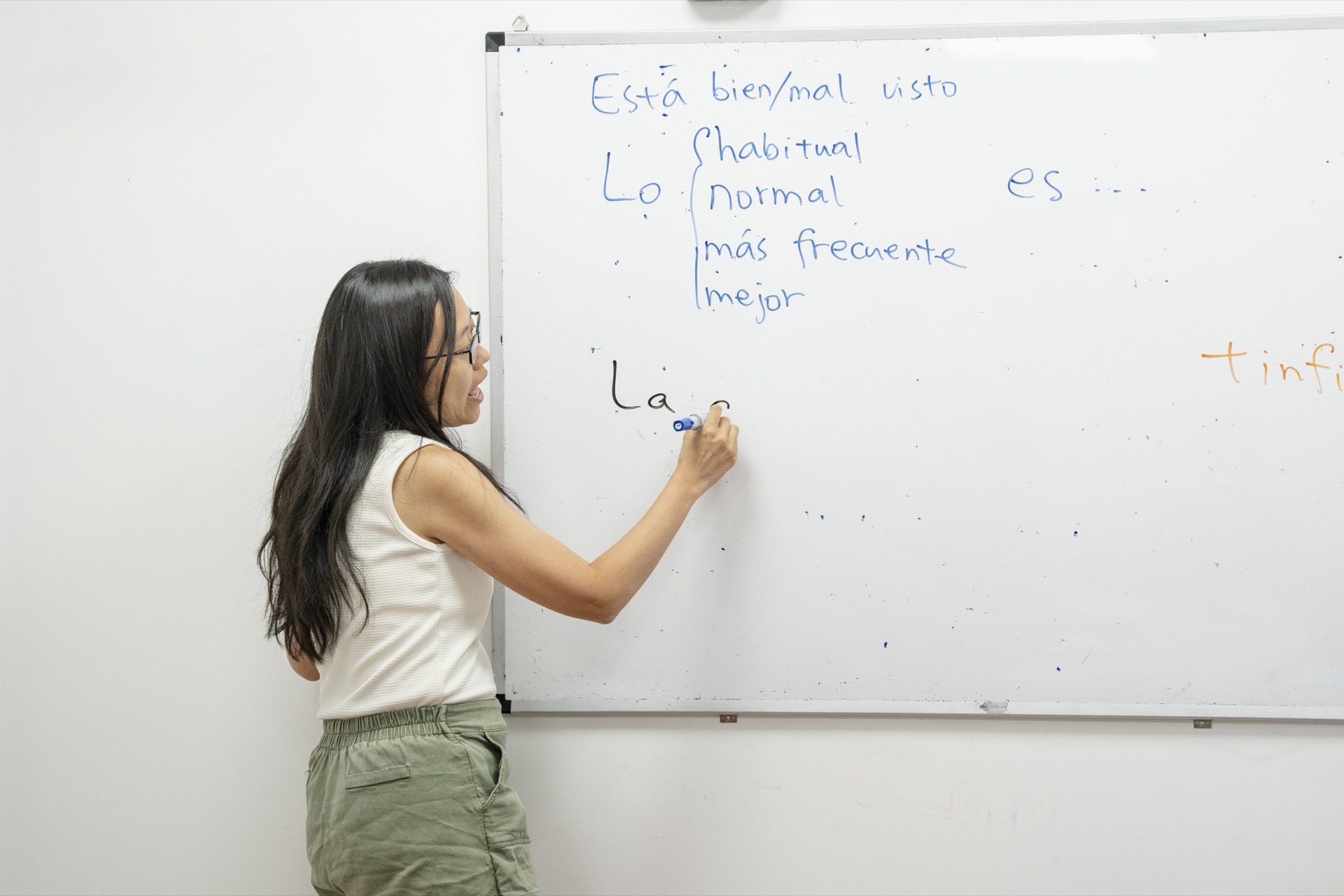

Ser and estar: the mistakes we hear most
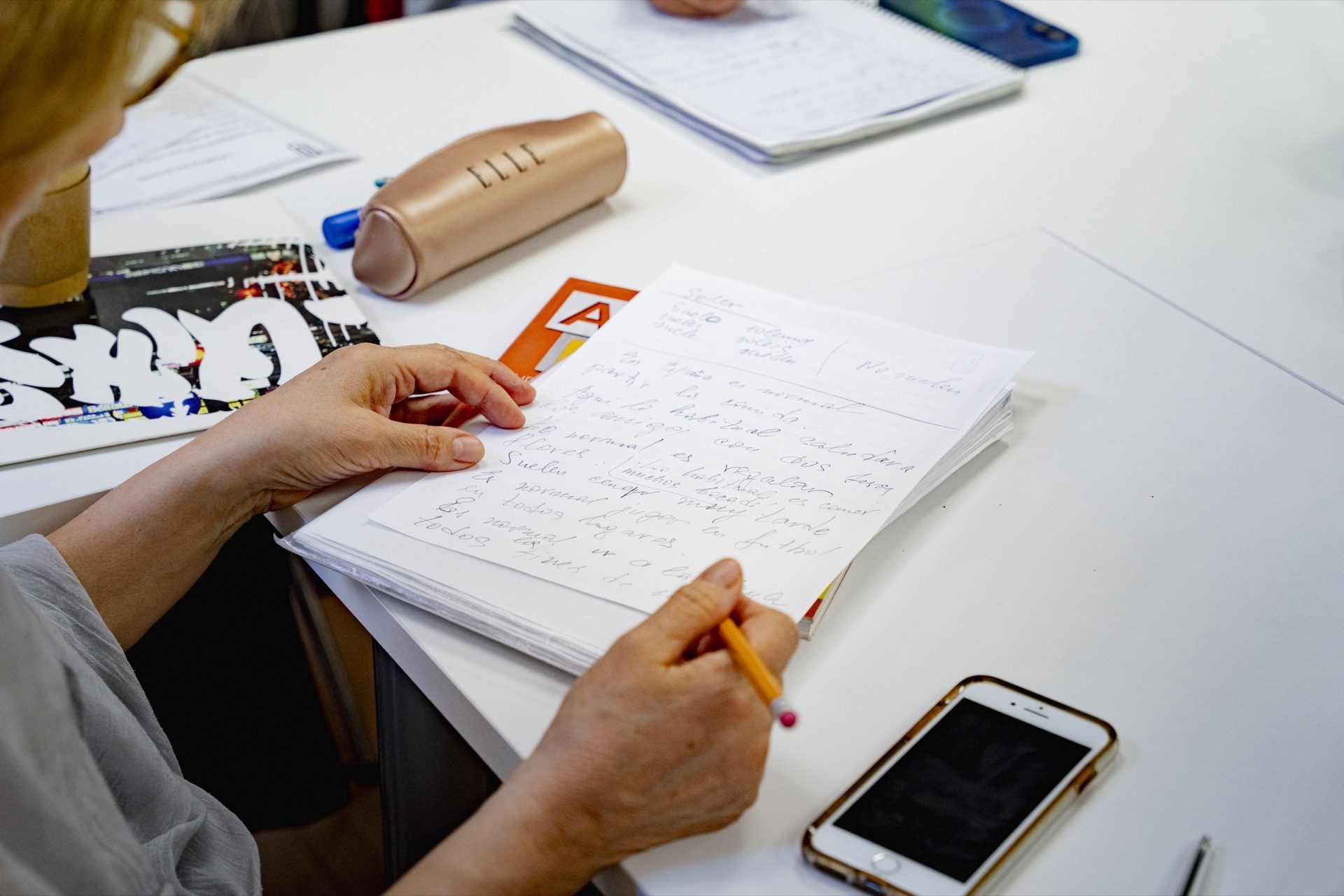
Spanish has two verbs for "to be": ser and estar. Most textbooks start with a simple rule: ser for things that are permanent, estar for things that are temporary. It works much of the time, but it breaks quickly. Death is permanent, yet Spanish says está muerto (he's dead). It's very confusing!
This lesson gives you a more useful rule, the mistakes we hear most in class, and the adjectives that change meaning depending on the verb.
A more useful rule
Ser says what something is. Estar says how or where something is.
Use | Verb | Example |
|---|---|---|
Who or what someone is | ser | Soy profesora. (I'm a teacher.) |
Where someone is from | ser | Somos de Irlanda. (We're from Ireland.) |
What someone or something is like | ser | Barcelona es muy bonita. (Barcelona is very beautiful.) |
Time and dates | ser | Son las tres. (It's three o'clock.) |
Where an event takes place | ser | La fiesta es en mi casa. (The party is at my house.) |
Where a person or thing is | estar | La escuela está en Carrer d'Aragó. (The school is on Carrer d'Aragó.) |
How someone feels right now | estar | Estoy cansado. (I'm tired.) |
The result of a change | estar | La tienda está cerrada. (The shop is closed.) |
Something happening now | estar | Está lloviendo. (It's raining.) |
Está muerto fits the second rule: it describes the result of a change, not what someone is.
The mistakes we hear most
What learners say | What to say | Why |
|---|---|---|
Soy cansado | Estoy cansado | How you feel now |
Es lloviendo | Está lloviendo | Something happening now |
Estoy de Inglaterra | Soy de Inglaterra | Where you're from |
Soy en Barcelona | Estoy en Barcelona | Where you are |
La fiesta está en mi casa | La fiesta es en mi casa | Where an event takes place |
La comida es lista | La comida está lista | Ready is a state (es listo means "he's clever") |
Adjectives that change meaning
Adjective | With ser | With estar |
|---|---|---|
aburrido | boring | bored |
listo | clever | ready |
malo | bad | ill (in Spain) |
rico | rich | tasty |
abierto | open-minded | open |
verde | green | unripe, or inexperienced |
Sometimes both are right
With some adjectives both verbs are correct, with a small difference. Soy feliz describes your life in general; estoy feliz is how you feel now. Estoy feliz con mi trabajo (I'm happy with my job) is perfectly correct.
Try it
Choose ser or estar:
Mi oficina ___ en el Eixample.
La reunión ___ a las diez.
Hoy ___ un poco cansada.
Mi compañero ___ de Brasil.
Answers: 1. está, 2. es, 3. estoy, 4. es.
Practising in class
In class you use ser and estar in conversation, and your teacher corrects you while you speak, which is the quickest way to stop the mistakes above. If you understand more than you can say, see why it happens and what helps. To find out which group would suit you, book a free level test.
Posts populares
Cursos de espanhol no verão em Barcelona – por que vale a pena

Melhores bairros de Barcelona para estudantes de idiomas

As melhores cidades para aprender espanhol na Espanha - em 2026

Os benefícios da imersão cultural ao aprender espanhol em Barcelona


Assine Nossa Newsletter!
Receba novidades sobre cursos, depoimentos de alunos, descontos exclusivos e muito mais